
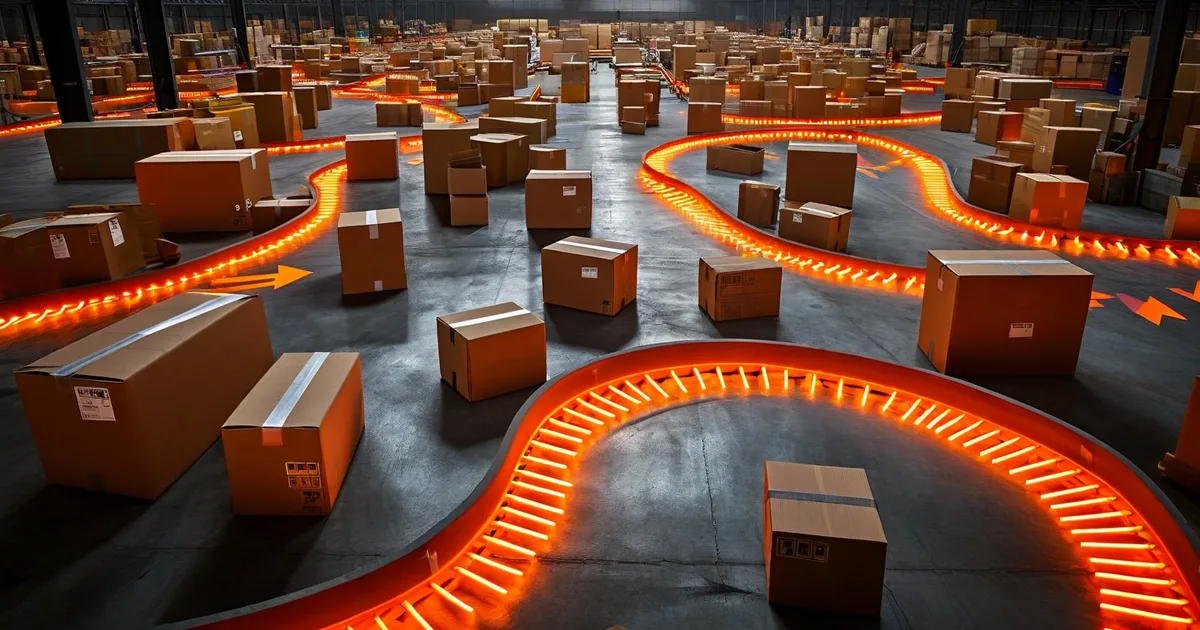
Why Returns Management Is the E-Commerce Battleground of 2026
Returns have always been a headache for online retailers. But in 2026, they’ve become something bigger: a strategic differentiator.
Consider the numbers. E-commerce return rates hover between 20% and 30% globally — nearly three times higher than brick-and-mortar stores. In fashion, that figure climbs past 40%. According to the National Retail Federation, U.S. retailers alone processed over $890 billion in returns in 2024, and the trend keeps rising.
The brands that thrive aren’t the ones eliminating returns entirely — that’s unrealistic. They’re the ones turning reverse logistics into a frictionless, cost-efficient, and loyalty-building process.
The True Cost of Poor Returns Management
Every return that isn’t handled properly chips away at your margins. Here’s what a mismanaged return actually costs:
- Shipping fees (outbound + return, often absorbed by the retailer)
- Warehouse labor for inspection, repackaging, and restocking
- Inventory depreciation — returned items lose 20-50% of their value on average
- Customer churn — 84% of shoppers won’t buy again after a bad return experience
Compare two scenarios: Retailer A offers a clunky, email-based return process that takes 14 days to issue a refund. Retailer B provides an automated self-service portal with instant store credit and a prepaid label. Retailer B sees 46% higher repeat purchase rates. The math is clear.
Key Strategies to Optimize Reverse Logistics in 2026
Implement AI-Powered Return Portals
Modern return portals do more than print labels. They use machine learning to:
- Suggest exchanges instead of refunds (recovering up to 35% of lost revenue)
- Flag potentially fraudulent returns
- Route items to the nearest warehouse or liquidation partner automatically
Platforms like PrestaShop and WooCommerce now offer robust modules that integrate these capabilities directly into your storefront.
Use Predictive Analytics to Prevent Returns Before They Happen
The best return is the one that never occurs. AI tools can now analyze purchase patterns, product reviews, and sizing data to predict which orders are likely to be returned — and intervene proactively.
For example, if a customer orders three sizes of the same shoe, the system can surface a size recommendation before checkout. Brands using this approach report a 22-25% drop in return volume.
Offer Flexible Return Options
In 2026, customers expect choices:
- Drop-off at local points (PUDO networks)
- Home pickup scheduling
- Keep-the-item refunds for low-value products (often cheaper than processing the return)
- Instant store credit vs. waiting for a bank refund
Flexibility doesn’t just reduce friction — it reduces cost. Home pickups cost retailers €6-8 on average, while locker drop-offs run under €3.
Centralize Your Data
Return reasons are a goldmine of product intelligence. Yet most retailers treat them as an afterthought. Centralizing return data helps you:
- Identify defective batches early
- Improve product descriptions and photography
- Adjust sizing charts based on real feedback
- Optimize supplier relationships
At Lueur Externe, we help e-commerce brands build dashboards that connect return data directly to product and marketing decisions — turning a cost center into a feedback loop.
PrestaShop vs. WooCommerce: Returns Handling Compared
| Feature | PrestaShop | WooCommerce |
|---|---|---|
| Built-in return module | Yes (merchandise returns) | Requires plugin (e.g., WooCommerce RMA) |
| Automated refund processing | Native with payment modules | Plugin-dependent |
| Exchange workflow | Via add-ons | Via add-ons |
| Return analytics | Basic; extendable | Basic; extendable |
| Customization depth | High (open source) | High (open source) |
Both platforms are powerful, but they require expert configuration to handle reverse logistics at scale. As a certified PrestaShop agency and WordPress specialist, Lueur Externe configures these systems to match real-world operational workflows — not just out-of-the-box defaults.
Conclusion: Make Returns Your Competitive Edge
Returns aren’t going away. But the cost, complexity, and customer frustration they generate absolutely can be reduced. In 2026, the retailers winning the loyalty game are those investing in smarter portals, predictive prevention, flexible options, and data-driven decision-making.
The question isn’t whether you can afford to optimize your reverse logistics. It’s whether you can afford not to.
Ready to transform your e-commerce returns process? Contact Lueur Externe — we’ve been building high-performance online stores since 2003, and we’ll help you turn returns into retention.