
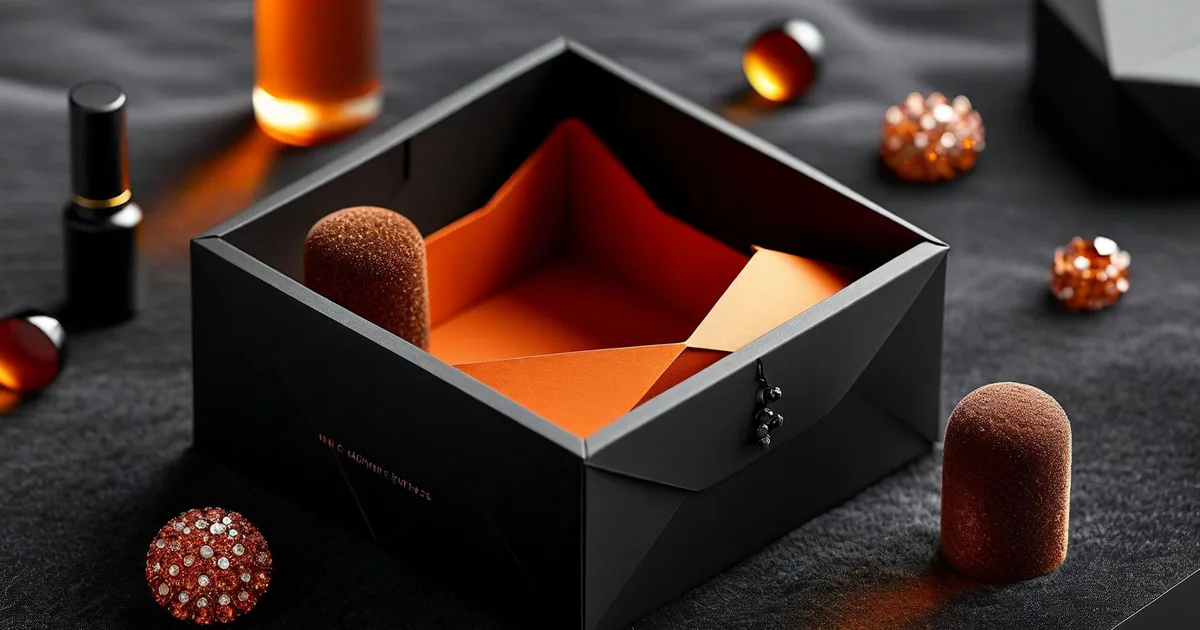
Why Packaging Design Is Your Silent Salesperson
Your product has roughly seven seconds to capture a shopper’s attention. In that brief window, packaging does all the talking. No sales pitch, no demo — just shape, color, texture, and words working together to say “pick me up.”
According to a 2023 Ipsos study, 72% of consumers say packaging design directly influences their purchasing decisions. Whether your product sits on a supermarket shelf or appears as a thumbnail on an e-commerce page, the packaging is often the first — and sometimes the only — brand experience a customer gets.
The Four Pillars of Packaging That Sells
1. Color Psychology
Color is the first element the brain processes. It takes just 90 seconds for a consumer to form an opinion about a product, and up to 90% of that judgment is based on color alone (University of Winnipeg research).
- Red triggers urgency and appetite — think Coca-Cola, Kit Kat.
- Blue communicates trust and calm — common in healthcare and tech.
- Green signals natural, organic, sustainable values.
- Black conveys luxury and exclusivity — Chanel, Nespresso.
Choosing the right palette isn’t about personal preference; it’s about understanding your target audience and competitive landscape.
2. Typography and Hierarchy
Great packaging guides the eye in a logical sequence:
- Brand name
- Product name or variant
- Key benefit or claim
- Supporting details
Clean, legible fonts outperform decorative ones in most categories. A comparison study by Packaging Digest found that products with clear typographic hierarchy saw 15% higher recall rates among shoppers.
3. Structure and Shape
The physical form of your packaging creates tactile engagement. Toblerone’s triangular box, Pringles’ tube, the iconic Absolut Vodka bottle — these shapes are as recognizable as the logos themselves.
Custom structural design costs more upfront but can dramatically differentiate your product. Even subtle changes — a curved edge, a magnetic closure, a window cutout — elevate the unboxing experience.
4. Material and Sustainability
In 2024, 67% of consumers consider sustainable packaging important when choosing between competing products (McKinsey). Kraft paper, recycled cardboard, compostable films, and soy-based inks aren’t just ethical choices — they’re selling points.
Packaging for E-Commerce: A Different Challenge
Designing for digital shelves adds a layer of complexity. Your packaging must:
- Read clearly at thumbnail size (200×200 pixels)
- Photograph well under studio lighting
- Survive shipping without damage
- Create an unboxing moment worth sharing on social media
Brands like Glossier and Apple have turned unboxing into a marketing channel, generating millions of organic impressions on YouTube and Instagram.
At Lueur Externe, we help e-commerce brands align their packaging design with their digital storefront. As certified Prestashop experts and WordPress specialists since 2003, we understand that packaging doesn’t exist in isolation — it must integrate seamlessly with your product pages, brand guidelines, and overall conversion strategy.
Common Packaging Design Mistakes to Avoid
- Overloading with information — less is more on the front panel.
- Ignoring the competition — always audit what’s already on the shelf.
- Designing for yourself, not the customer — user testing is invaluable.
- Forgetting regulatory requirements — ingredient lists, barcodes, and certifications are non-negotiable.
- Neglecting print production — a design that looks stunning on screen but bleeds or shifts during printing is worthless.
Real-World Results: The Power of a Packaging Redesign
When Tropicana redesigned its orange juice packaging in 2009, sales dropped 20% in two months, costing the brand an estimated $50 million. The lesson? Packaging changes must be strategic and tested.
Conversely, when a small French skincare brand worked with Lueur Externe’s design team to overhaul its product line packaging for online retail, it saw a 34% increase in conversion rate within the first quarter — simply by improving visual clarity and shelf appeal in product photography.
Conclusion: Invest in Packaging That Works as Hard as You Do
Packaging design isn’t decoration. It’s strategy, psychology, and engineering combined into a single touchpoint that can make or break a sale. Whether you’re launching a new product or refreshing an existing line, thoughtful packaging design delivers measurable ROI.
Ready to create packaging — and a digital presence — that truly sells? Get in touch with Lueur Externe to discuss your project with a team that has been helping brands succeed online since 2003.