
Why Your Business Card Still Matters in 2025
In an increasingly digital world, you might wonder whether business cards are still relevant. The answer is a resounding yes. According to a 2024 study by Statista, 72% of professionals judge a company by the quality of its business card, and 39% say they would choose not to do business with someone whose card looks cheap.
A well-designed business card is more than contact information on cardstock — it’s a tangible extension of your brand. Let’s explore the rules that make a card effective and the trends shaping design in 2025.
The Golden Rules of Business Card Design
1. Prioritize Visual Hierarchy
Every great business card guides the eye naturally. The most important element — usually your name or company logo — should be the largest and most prominent. Secondary details like your job title, phone number, and email follow in decreasing visual weight.
A simple test: hold the card at arm’s length. If you can immediately identify the brand and the person’s name, the hierarchy works.
2. Keep It Readable
Readability is non-negotiable. Follow these guidelines:
- Minimum font size: 8pt for body text, 10–12pt for names
- Typeface limit: No more than two font families
- Contrast: Dark text on a light background (or vice versa) with a contrast ratio of at least 4.5:1
Fancy script fonts may look elegant on screen but become illegible at small sizes on printed stock.
3. Respect White Space
Crowded cards feel unprofessional. Leave at least 3–5 mm of margin on all sides and resist the temptation to fill every millimeter. White space (or negative space) creates breathing room and draws attention to the content that matters.
4. Stay On-Brand
Your business card should feel like a natural extension of your website, packaging, and social media presence. Use your brand’s exact color codes (CMYK for print), approved fonts, and logo variations. Consistency builds trust — studies show that consistent brand presentation increases revenue by up to 23% (Lucidpress, 2024).
Current Trends in Business Card Design for 2025
Minimalist Layouts
Less is more. The dominant trend this year leans heavily into clean, stripped-back designs with a single accent color, generous white space, and one bold typographic element. Think Apple’s design philosophy, applied to a 85 × 55 mm canvas.
Textured and Specialty Materials
Paper choice has become a statement in itself. Popular options include:
- Cotton cardstock — soft, premium feel
- Recycled kraft paper — eco-conscious branding
- Transparent or frosted plastic — modern tech aesthetics
- Wood or metal cards — ultra-premium, memorable
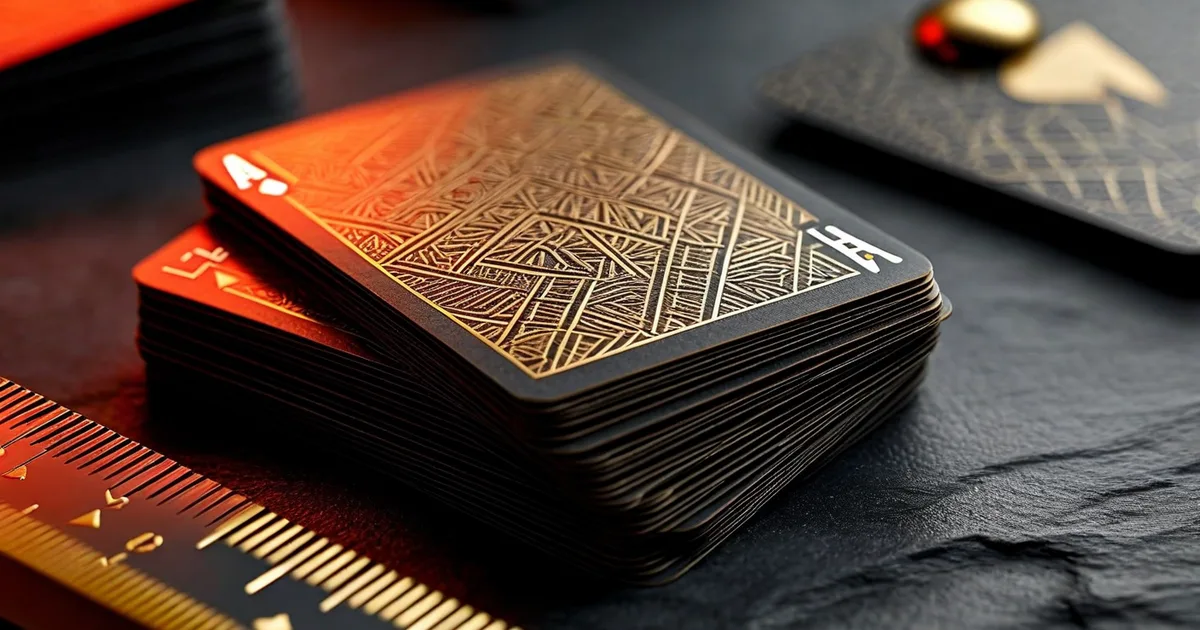
Premium finishes like spot UV, letterpress, embossing, and edge painting add tactile dimension that digital media simply cannot replicate.
QR Codes With Purpose
QR codes have shed their outdated reputation. In 2025, over 60% of newly printed business cards include a QR code linking to a digital portfolio, LinkedIn profile, or vCard download. The key is to integrate the QR code elegantly into the layout rather than slapping it on as an afterthought.
Bold Typography as the Hero Element
Some of the most striking cards this year ditch logos entirely and rely on oversized, expressive typography to convey personality. This works particularly well for freelancers, creatives, and personal brands.
Rounded Corners and Non-Standard Shapes
Die-cut cards — circles, rounded rectangles, or custom silhouettes — are gaining traction. They cost roughly 15–30% more to produce than standard rectangles, but the memorability factor often justifies the investment.
Common Mistakes to Avoid
- Using RGB colors instead of CMYK (leads to dull, inaccurate prints)
- Forgetting the bleed area (typically 3 mm beyond the trim line)
- Overloading the card with social media icons
- Choosing style over substance — if people can’t read your phone number, the card fails
At Lueur Externe, a web and design agency based in the French Riviera with over 20 years of experience, we see these mistakes regularly when clients come to us for a full brand refresh. Getting the fundamentals right from the start saves time, money, and missed opportunities.
Conclusion: Make Every Card Count
Your business card is often the first physical artifact someone holds from your brand. In a world of fleeting digital impressions, that tangible moment carries real weight. By following proven design rules and thoughtfully embracing current trends — minimalism, premium materials, purposeful QR codes — you can turn a small piece of cardstock into a powerful branding tool.
Need help designing a business card that truly represents your brand? The graphic design and branding experts at Lueur Externe are ready to help you create something memorable. Get in touch today and let’s bring your vision to life.