
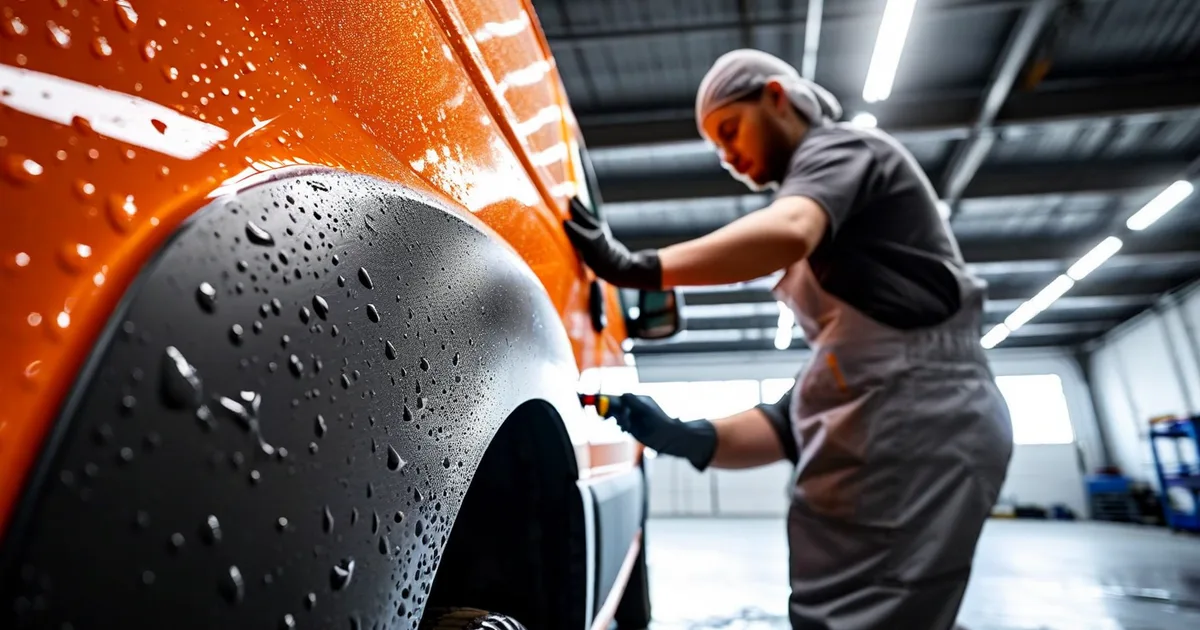
Why Professional Vehicle Wraps Are a Game-Changer for Brand Visibility
Imagine turning every company vehicle into a mobile billboard that works for your brand 24 hours a day, 7 days a week. That’s exactly what professional vehicle wraps deliver — consistent, high-impact advertising that reaches tens of thousands of potential customers daily without recurring costs.
According to the Outdoor Advertising Association of America (OAAA), a single wrapped vehicle generates between 30,000 and 70,000 daily impressions. Over the course of a year, that’s potentially 16 million views from one vehicle alone. For businesses operating fleets of 5, 10, or 50+ vehicles, the cumulative brand exposure is staggering.
Unlike digital ads that disappear when the budget runs out, or billboard contracts that expire monthly, a vehicle wrap is a one-time investment that keeps delivering value for 5-7 years.
Understanding Vehicle Wrap Types
Not all vehicle wraps are created equal. The right choice depends on your budget, branding goals, and fleet composition.
Full Vehicle Wraps
A full wrap covers the entire painted surface of the vehicle, including bumpers, door handles, and mirrors. This option provides maximum visual impact and complete brand immersion. It’s ideal for businesses that want their fleet to be unmistakable on the road.
Best for: Delivery vans, service trucks, company cars with high daily mileage.
Partial Wraps
Partial wraps cover 25-75% of the vehicle surface, typically focusing on the sides, rear, and hood. They blend the vehicle’s original paint color into the design, reducing material and labor costs while still delivering strong branding.
Best for: Small business fleets, personal vehicles used for business, budget-conscious campaigns.
Spot Graphics and Decals
Spot graphics are individual cut elements — logos, phone numbers, website URLs — applied to specific areas of the vehicle. They’re the most affordable option and can be highly effective when designed with intention.
Best for: Startups, franchise vehicles with template branding, or supplementing an existing partial wrap.
Comparison Table: Wrap Types at a Glance
| Feature | Full Wrap | Partial Wrap | Spot Graphics |
|---|---|---|---|
| Coverage | 100% | 25-75% | <25% |
| Cost per vehicle | $2,500-$5,000 | $1,200-$2,500 | $300-$1,000 |
| Visual impact | Maximum | High | Moderate |
| Installation time | 3-5 days | 1-3 days | 2-4 hours |
| Lifespan | 5-7 years | 5-7 years | 3-5 years |
| Paint protection | Full | Partial | Minimal |
The ROI of Fleet Branding: Numbers That Speak
Let’s talk about what really matters to business owners — return on investment. Vehicle wrap advertising is consistently ranked as one of the most cost-effective forms of outdoor marketing.
Cost Per Thousand Impressions (CPM) Comparison
- Vehicle wrap: $0.04 - $0.15
- Outdoor billboard: $3.56
- Radio advertising: $7.75
- Magazine print ad: $17.78
- Television commercial: $23.70
These figures from the Traffic Audit Bureau and ARD (American Research Group) make it clear: vehicle wraps crush other media channels on a cost-efficiency basis.
A Real-World Example
Consider a plumbing company operating 8 service vans in a mid-size metropolitan area. Each van travels an average of 50 miles daily through residential and commercial zones.
- Investment: 8 full wraps × $3,500 = $28,000
- Lifespan: 6 years (average)
- Annual cost: $4,667/year
- Daily impressions per van: 40,000
- Total daily fleet impressions: 320,000
- Annual impressions: ~116 million
- Effective CPM: $0.04
That $28,000 investment pays for itself many times over, especially considering that 97% of drivers recall ads on wrapped vehicles (according to a 3M study).
Choosing the Right Materials
The quality of your wrap depends heavily on the vinyl film and laminates used. Cutting corners on materials is one of the most common — and costly — mistakes businesses make.
Cast Vinyl vs. Calendered Vinyl
Cast vinyl is the premium choice for vehicle wraps. It’s manufactured in thin sheets (2 mil thickness), conforms easily to curves and recesses, and resists shrinking and cracking over time. Leading brands include:
- 3M IJ180Cv3 / 1080 Series
- Avery Dennison SW900 / MPI 1105
- Hexis HX20000
Calendered vinyl is thicker (3-4 mil), less conformable, and more prone to shrinkage. It’s acceptable for flat surfaces and short-term applications (1-3 years) but should be avoided for full wraps on complex vehicle curves.
Laminates Matter
Never skip lamination. A clear overlaminate protects your printed graphics from:
- UV degradation and color fading
- Scratches from road debris
- Chemical damage from fuel spills or cleaning agents
- Premature wear from car washes
A gloss or matte laminate also affects the final appearance. Gloss enhances color vibrancy and mimics a paint finish, while matte creates a modern, sophisticated look.
Designing an Effective Vehicle Wrap
A vehicle wrap is not a poster slapped onto a curved surface. Effective wrap design requires understanding vehicle geometry, viewing distances, and brand communication hierarchy.
Design Best Practices
- Simplicity wins. Drivers see your vehicle for 3-8 seconds. Your message must be instantly readable.
- Prioritize the rear and sides. The rear panel is viewed by following vehicles for extended periods — place your phone number and website there.
- Use high-contrast colors. Dark text on light backgrounds (or vice versa) ensures readability from 50+ feet away.
- Limit text. Include company name, logo, phone number, website, and one key service or tagline. That’s it.
- Design for the specific vehicle. Every make and model has different panel shapes, window configurations, and body lines.
The Design Checklist
[ ] Company logo — prominently placed on both sides and rear
[ ] Phone number — large font, readable from 20+ feet
[ ] Website URL — short and memorable
[ ] Key service/tagline — max 5 words
[ ] Brand colors — consistent with all other marketing materials
[ ] Call to action — "Call Now", "Free Estimate", "Visit Us"
[ ] High-resolution images — minimum 150 DPI at print size
[ ] Template accuracy — design matches exact vehicle make/model/year
[ ] Legal compliance — check local regulations on vehicle signage
At Lueur Externe, we work with businesses to ensure their print and digital branding maintain perfect consistency. A vehicle wrap that doesn’t match your website, business cards, or social media presence creates confusion — and confused customers don’t convert.
The Installation Process: What to Expect
Professional installation is non-negotiable. Even the best-designed, highest-quality vinyl will fail if improperly applied.
Pre-Installation
- Vehicle must be thoroughly washed and decontaminated (clay bar treatment recommended)
- All wax, sealants, and ceramic coatings must be removed from the application area
- Dents, rust spots, or chipped paint should be repaired beforehand
- Ambient temperature during installation should be between 60-80°F (15-27°C)
Installation Timeline
| Vehicle Type | Full Wrap Duration | Partial Wrap Duration |
|---|---|---|
| Sedan/Coupe | 2-3 days | 1-1.5 days |
| SUV/Pickup | 3-4 days | 1.5-2 days |
| Cargo Van | 3-5 days | 2-3 days |
| Box Truck | 4-6 days | 2-4 days |
| Bus/RV | 5-8 days | 3-5 days |
Post-Installation Care
After installation, follow these guidelines to maximize wrap lifespan:
- Wait 48-72 hours before washing to allow adhesive to fully cure
- Hand wash when possible; if using automated car washes, choose brushless only
- Avoid pressure washers directly on wrap edges and seams
- Park in shade or garage when possible to reduce UV exposure
- Do not wax the wrap — use wrap-specific detailing sprays instead
- Address damage immediately — small tears can quickly worsen
Fleet Branding Strategy: Beyond the Wrap
A vehicle wrap is just one component of a comprehensive fleet branding strategy. To maximize impact, consider the entire ecosystem.
Brand Consistency Across Channels
Your wrapped vehicles should be instantly recognizable as part of your brand family. This means:
- Matching color values (use Pantone references for print accuracy)
- Consistent logo usage and placement
- Aligned messaging with your website, social media, and other advertising
- Coordinated uniforms for drivers/technicians
Tracking Effectiveness
How do you measure the impact of your fleet wranding? Here are proven methods:
- Dedicated phone numbers on vehicles (trackable via call analytics)
- Unique landing page URLs (e.g., yourcompany.com/mobile)
- QR codes linked to specific campaigns (best on rear panels where viewers have time to scan)
- Customer surveys asking “How did you hear about us?”
- Geographic heat mapping of service calls correlated with vehicle routes
Digital Integration
This is where agencies like Lueur Externe bring exceptional value. The bridge between physical print branding (like vehicle wraps) and digital presence (website, local SEO, online reputation) is where most businesses lose potential customers. A prospect who sees your wrapped van, searches your company name on Google, and finds a poorly optimized website or inconsistent branding will lose trust immediately.
Your fleet wrap campaign should be coordinated with:
- Local SEO optimization (Google Business Profile)
- A mobile-responsive, fast-loading website
- Consistent NAP (Name, Address, Phone) data across all platforms
- Social media presence showing your branded fleet in action
Common Mistakes to Avoid
After years of helping businesses with their print and digital branding, we’ve seen the same errors repeatedly:
1. Overcrowding the Design
Trying to list every service, every location, every phone number. Remember: your vehicle is moving. Less is dramatically more.
2. Ignoring Vehicle Geometry
Designing on a flat template without accounting for door handles, wheel arches, mirrors, and body lines creates awkward visual breaks.
3. Choosing the Cheapest Installer
A $500 “full wrap” deal from an inexperienced installer will bubble, peel, and crack within months — damaging your brand image worse than having no wrap at all.
4. Forgetting the Roof
In urban areas with multi-story buildings, parking garages, and elevated roads, the roof is a visible branding surface. Don’t waste it.
5. No Maintenance Plan
Wraps need periodic inspection and care. Allocate budget for minor repairs and cleaning to maintain a professional appearance.
Legal Considerations and Regulations
Before wrapping your fleet, be aware of potential regulatory requirements:
- Some jurisdictions require commercial vehicles to display DOT numbers, company name, and address
- Reflective wraps may be restricted in certain regions
- Window tinting laws apply to perforated window graphics
- Vehicle color changes may need to be reported to your insurance company and/or DMV
- Franchise agreements may dictate specific branding guidelines
Always check local and state regulations before finalizing your wrap design.
Cost Breakdown: What Affects Pricing
Several factors influence the total cost of a fleet wrap project:
- Vehicle size and complexity — more curves and recesses mean more labor
- Coverage percentage — full vs. partial vs. spot graphics
- Material quality — cast vinyl costs 2-3x more than calendered but lasts twice as long
- Design complexity — custom illustrations and photography add design costs
- Quantity — fleet discounts typically apply for 5+ vehicles
- Removal of existing graphics — adds $200-$500 per vehicle
- Geographic location — shop rates vary significantly by market
Sample Budget for a 10-Vehicle Fleet
Design & Proofing:           $2,000 - $4,000
Materials (premium cast):    $8,000 - $12,000
Printing & Lamination:       $5,000 - $8,000
Installation Labor:          $10,000 - $15,000
Project Management:          $1,500 - $2,500
-------------------------------------------
TOTAL ESTIMATE:              $26,500 - $41,500
Per Vehicle Average:         $2,650 - $4,150
Spread over a 6-year lifespan, that’s approximately $440-$690 per vehicle per year — roughly $1.20-$1.89 per day of non-stop advertising.
Sustainability and Removal
Modern vehicle wrap films are increasingly designed with end-of-life recyclability in mind. When it’s time for removal:
- Professional removal takes 4-8 hours per vehicle
- Heat guns and steamers soften adhesive for clean removal
- Paint should be inspected and detailed after removal
- Old vinyl can be recycled through manufacturer programs (3M and Avery Dennison both offer recycling initiatives)
Conclusion: Transform Your Fleet Into Your Hardest-Working Marketing Asset
Professional vehicle wraps represent one of the smartest investments a business can make in brand visibility. With a CPM as low as $0.04, a lifespan of 5-7 years, and the ability to generate millions of annual impressions per vehicle, fleet branding delivers unmatched value in the outdoor advertising space.
The key to success lies in quality materials, professional design that respects both brand guidelines and vehicle geometry, expert installation, and seamless integration with your broader digital marketing strategy.
At Lueur Externe, we understand that your brand’s visual identity must be cohesive across every touchpoint — from your wrapped fleet on the road to your website experience and online presence. As print and digital branding specialists since 2003, we help businesses bridge the gap between physical advertising and digital conversion.
Ready to elevate your fleet branding and ensure it works hand-in-hand with your online presence? Get in touch with our team to discuss how we can help your business stand out — both on the road and on the screen.